Underwater robotics developers need controlled environments to evaluate vehicles, thrusters, cameras, sensors, buoyancy, and control systems. A purpose-built immersion tank can provide repeatable access to water testing without requiring every development test to take place in a pool, lake, or open-water environment.
The correct tank configuration depends on the equipment being tested and the measurements the research team needs to collect.
Start with the testing objective
A tank designed for a small inspection ROV may have different requirements from one intended for a larger autonomous underwater vehicle. Before selecting dimensions, establish the vehicle’s length, width, operating depth, turning envelope, tether arrangement, and handling requirements.
Sufficient clearance matters. A tank that is too small can restrict vehicle movement and introduce wall effects that influence maneuvering or sensor measurements. Some tests require free movement, while others benefit from fixed mounts, repeatable positioning, or controlled obstacle arrangements.
Plan for observation and instrumentation
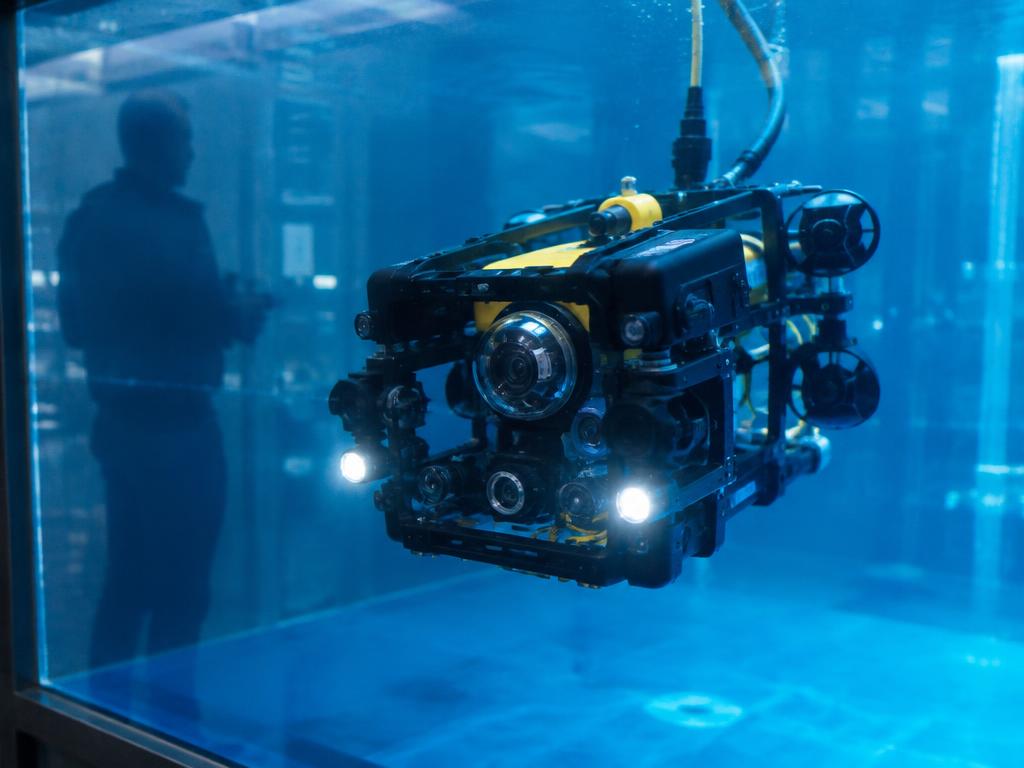
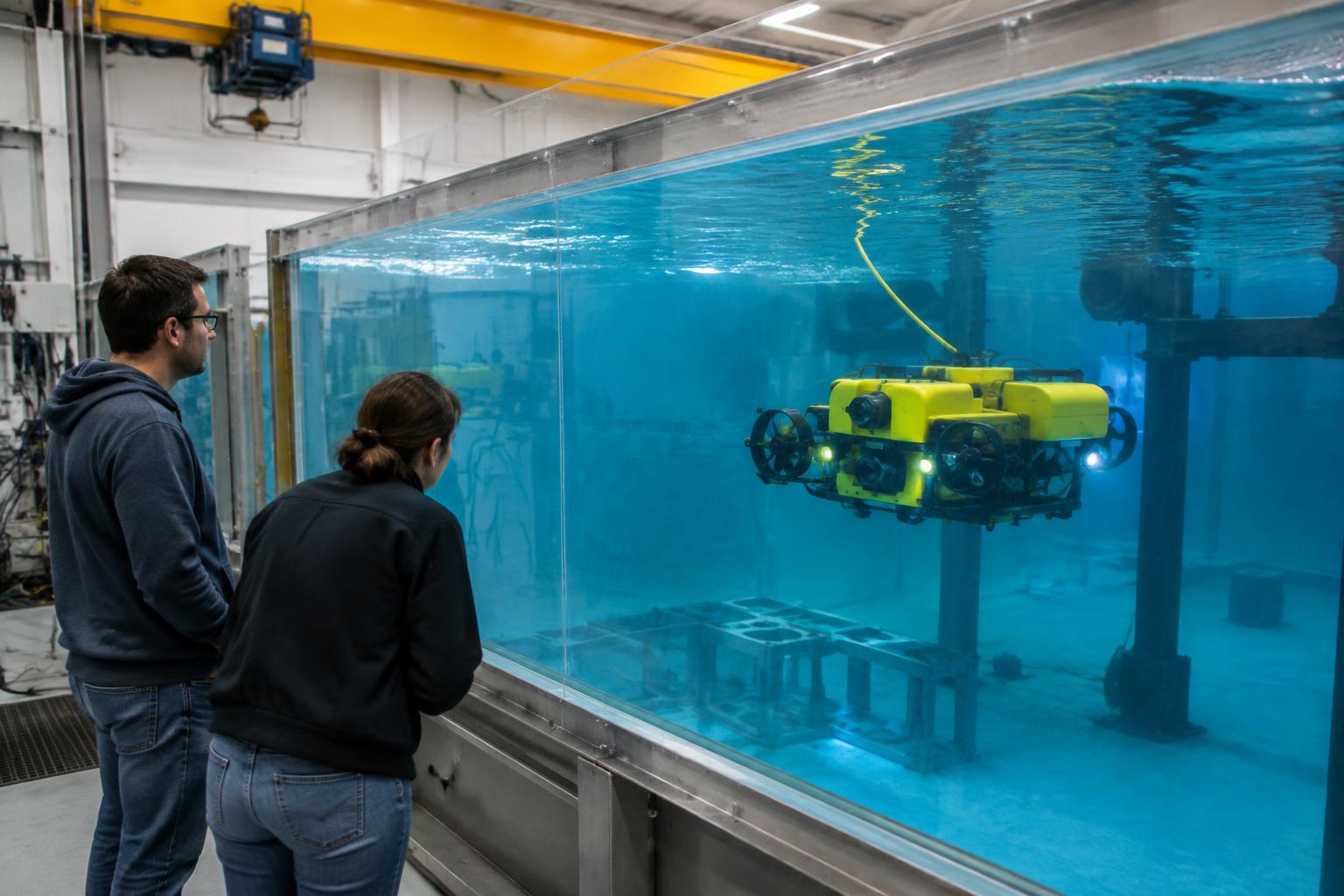
Visibility is important when developers need to inspect propeller behavior, buoyancy, mechanical movement, leaks, or camera performance. Transparent viewing panels can help researchers observe submerged equipment from outside the tank.
The design should also account for lighting, camera placement, sensor mounts, cable routing, electrical connections, and access for equipment installation. Sonar and acoustic testing require additional attention because tank walls and water boundaries can reflect sound and affect measurements.
Filtration, water clarity, temperature control, and water replacement may also be important depending on the experiment.
Immersion tanks are not pressure vessels
An open water tank is generally suited to testing equipment at approximately ambient pressure. It can support buoyancy trials, propulsion testing, visual inspection, and initial evaluation of underwater electronics.
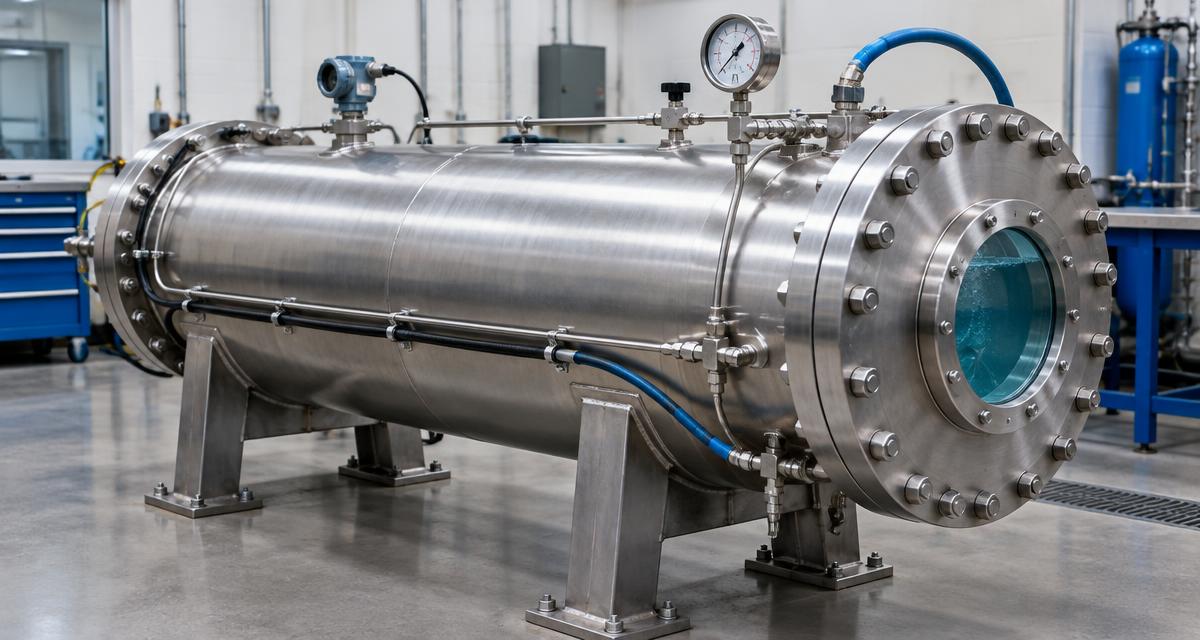
It does not reproduce the elevated pressure experienced at significant ocean depths. Testing a vehicle’s pressure resistance, seals, or pressure-sensitive components may require a separately engineered pressure chamber.
Research facilities demonstrate the value of keeping these capabilities distinct. The National Oceanography Centre operates a large immersion tank with inspection windows alongside separate pressure-testing facilities. Its testing facility overview provides a useful example.
Build around the test program
A useful ROV or AUV testing tank begins with a defined test plan. Identify the equipment, required water depth, observation points, measurement systems, access requirements, and future prototypes likely to be tested.
Factory Fish Tanks can help develop custom tank configurations around specified dimensions and fabrication requirements. For specialized research environments, define instrumentation and supporting-system interfaces early so the tank can be integrated into the wider test facility.
Planning takeaway: Specify the experiments first, then determine the tank dimensions and features. This avoids paying for capacity that does not support the research objective.