Underwater cameras, sonar systems, navigation sensors, and environmental instruments must operate in a medium that behaves differently from air. Water affects light transmission, sound propagation, equipment cooling, connector sealing, and sensor measurements. A controlled testing tank gives development teams a practical environment for evaluating these systems before field deployment.
The tank must be designed around the measurement being performed. A setup suitable for checking camera operation may not provide the conditions required for quantitative acoustic testing.
Underwater camera and imaging tests
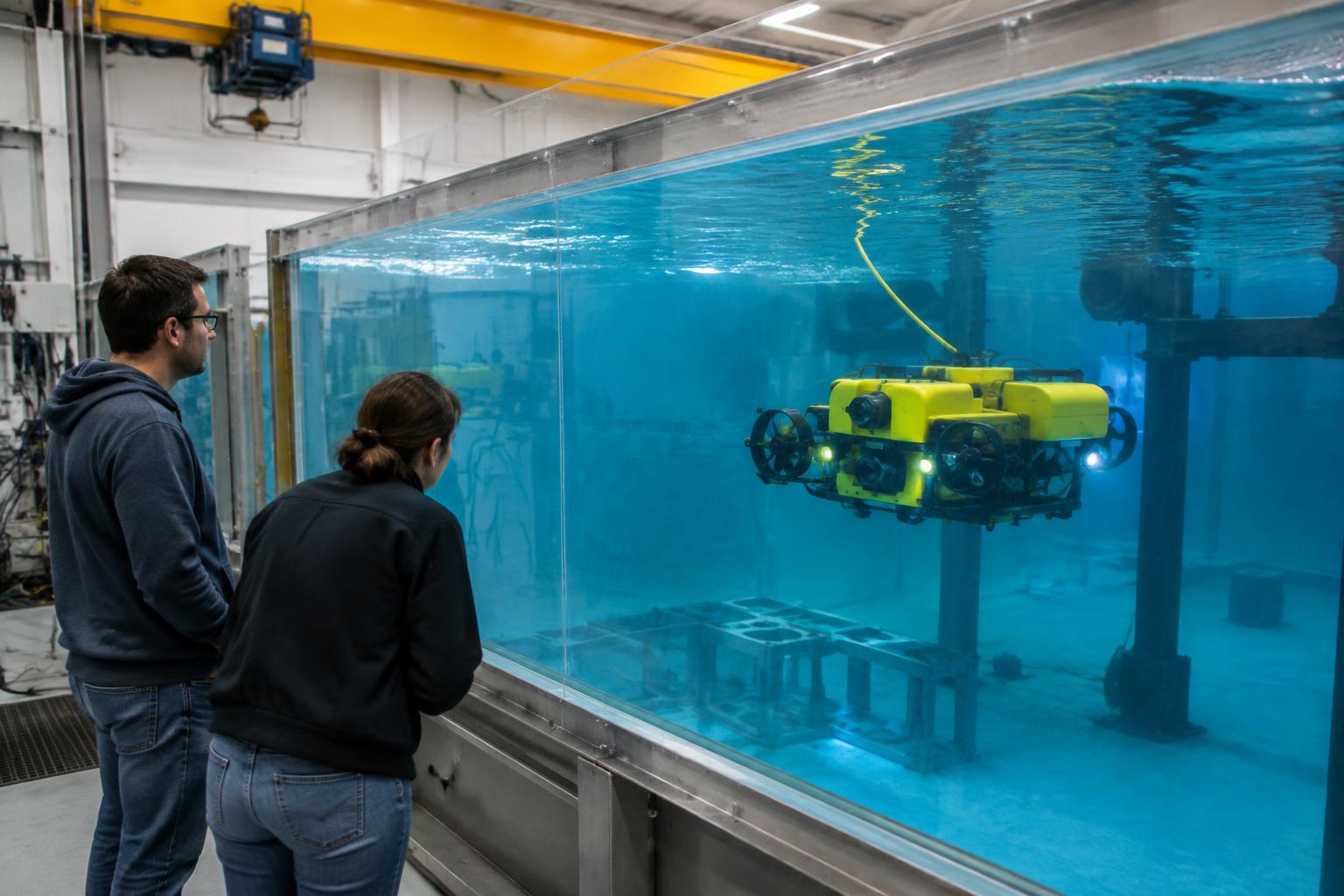
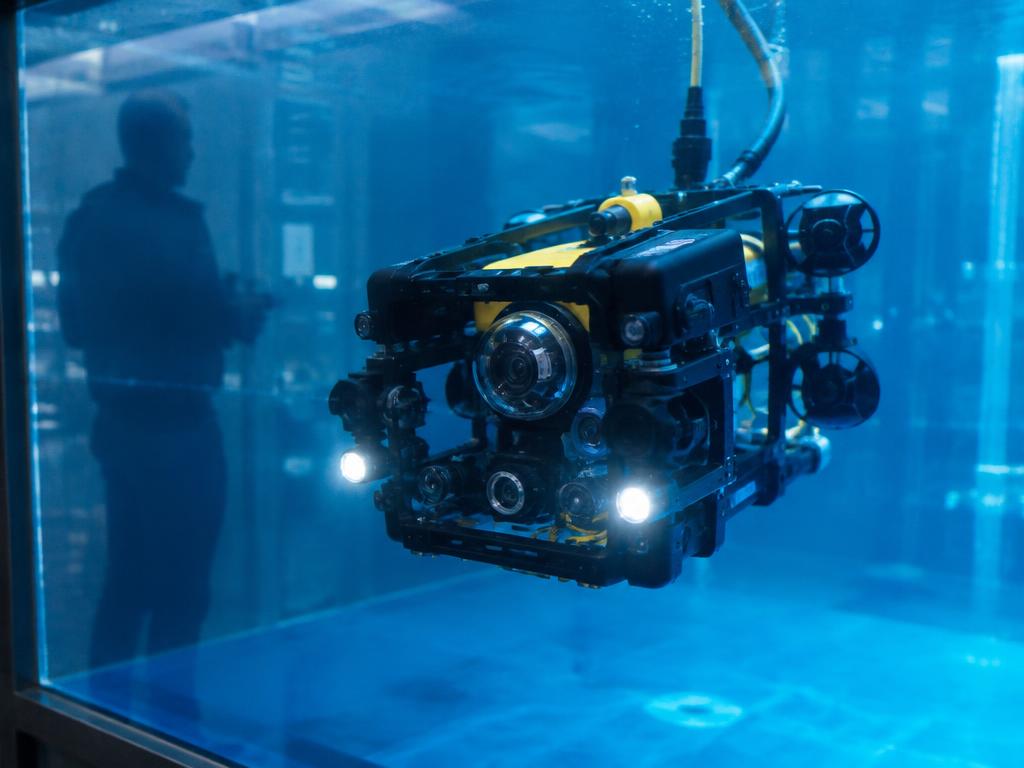
Camera testing can involve image clarity, illumination, color reproduction, focus, lens distortion, housing integrity, and performance at different water conditions. A tank with suitable viewing access and controlled lighting can help teams observe equipment and repeat basic tests.
Water clarity, suspended particles, reflections, lighting angles, and the distance between the camera and its target all affect image quality. Researchers should define the test target, camera position, lighting configuration, and water conditions before comparing results.
Transparent tank walls provide external observation, but they can also introduce reflections and optical distortion. Where optical measurements are sensitive, the viewing arrangement should be evaluated as part of the experiment.
Sonar and acoustic measurements
Sonar transducers and acoustic sensors require a different approach. Sound can reflect from tank walls, the water surface, and the bottom, creating echoes that interfere with the intended measurement. A small tank may therefore be unsuitable for certain long-range or high-accuracy acoustic tests.
Possible design considerations include tank geometry, sensor positioning, mounting arrangements, acoustic treatments, and the distance between the transducer and reflecting boundaries. The required dimensions depend on frequency, beam pattern, target distance, and the measurement objective.
A tank should not be described as acoustically suitable for every sonar application without validation.
Sensors, cables and equipment integration
Subsea sensors often require stable mounts, accessible connections, cable routing, and repeatable positioning. Researchers may also need temperature monitoring, water circulation, filtration, or data acquisition interfaces.
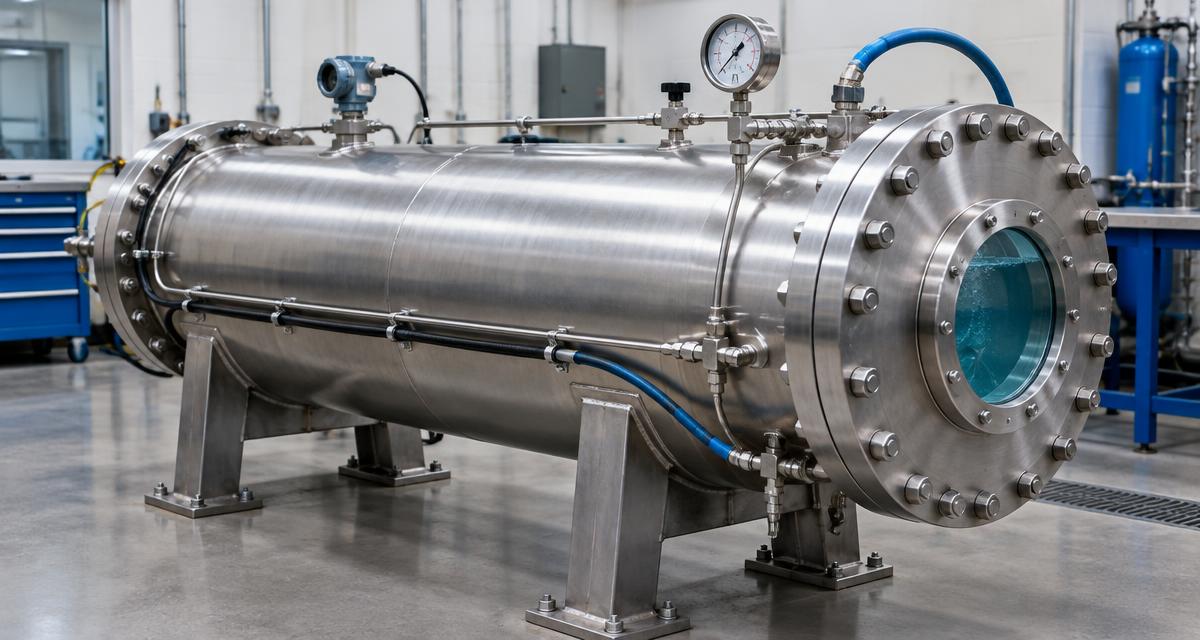
For pressure-sensitive equipment, an immersion tank alone may not reproduce operating conditions at depth. A pressure vessel may be required to evaluate components under a specified pressure differential. Its viewing ports and electrical penetrations must be designed for the applicable conditions.
Define the measurement before specifying the tank
The best starting point is a test matrix that lists the sensor or camera, operating conditions, measurement range, required accuracy, environmental variables, and repeatability requirements.
Factory Fish Tanks can develop custom tank and observation configurations around the project’s dimensions and equipment interfaces. Acoustic performance, optical accuracy, and pressure capability should be treated as separate requirements that need appropriate testing and validation.
Research reference: The National Oceanography Centre’s testing facilities include immersion testing and facilities for acoustic measurements, illustrating why test infrastructure should be matched to the measurement objective.